What Makes Us Stop? A Designer’s View from Art Basel 2026
At Art Basel, attention felt like the real currency, with visitors drawn to works that offered a clear... En lire plus

We explored in my previous article how the gentle curve of a button or the warmth of a pastel hue can soften a space—digital or physical—and invite users to linger.
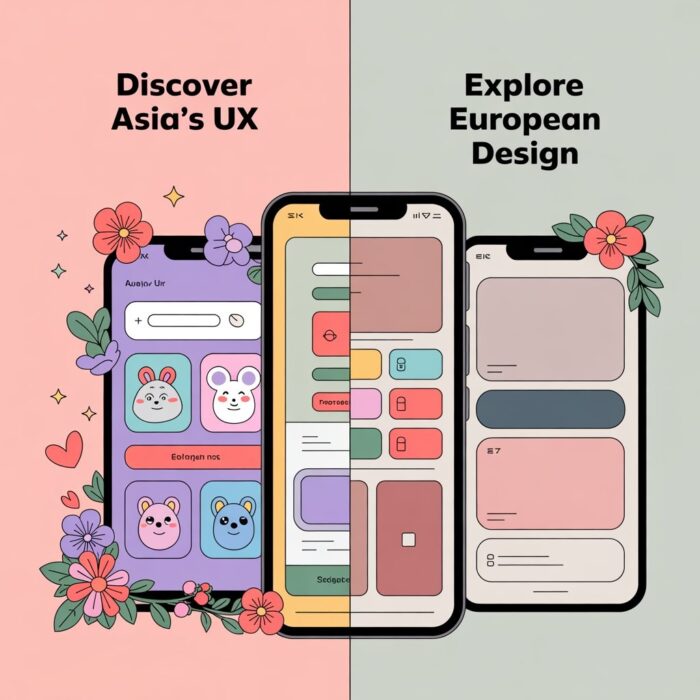
But if you step outside the Western design sphere, those same principles take on entirely different personalities. In Tokyo, Seoul, or Shanghai, femininity doesn’t whisper—it sparkles, and dances.
Across Europe, by contrast, it speaks in a quieter language of muted tones and graceful restraint.
The result? Two distinct cultural expressions of the same design philosophy—both aiming for emotional connection, yet painting it with very different brushes.
In recent years, Asian culture has become increasingly popular worldwide, particularly in music, fashion, beauty, lifestyle, and design. Think Korean skincare, K-pop, Chinese streetwear, or even cute collectables like Labubu. Brands like Miniso, the global rise of bubble tea, and visual trends on apps like Pinterest and Xiaohongshu, which recently became popular in the US, all reflect this shift.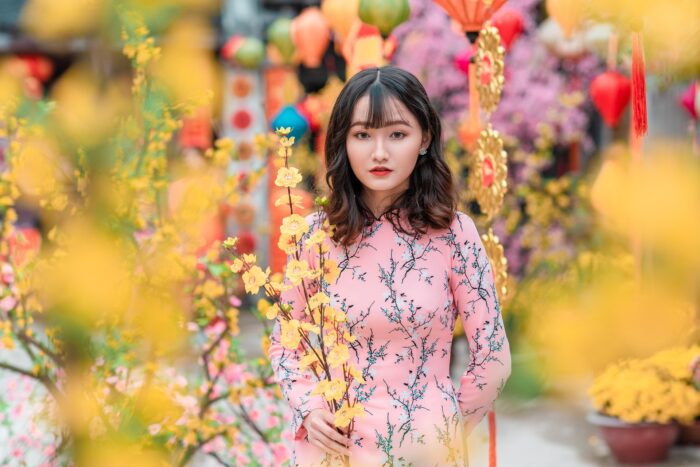
Feminine-coded design has taken over—and it’s working. These styles win the hearts of people of all ages and nationalities. Here’s what we’re seeing :
In contrast, Europe leans into a more understated, inclusive form of feminine-coded expression. Influenced by minimalist and gender-neutral design principles, European brands (such as Mango  or L’Oreal) often avoid stereotypically “feminine” visuals, but still integrate softness in more refined ways.
However, this commitment to full inclusivity and neutrality can sometimes come at a cost. European design, while clean and refined, can feel cold or distant. It may lack personality or emotional connection, making it harder for users to feel truly seen or held by the digital space as well as build attachment to it. In trying to speak to everyone, it risks speaking to no one on a deeper, human level.
Feminine-coded design is not about decorating interfaces with pink and curves—it’s about designing digital spaces that respect human emotions, rhythms, and complexity. This approach changes modern UX. Now it’s no more about digital spaces to move through, but rather to be in. Not a tunnel of steps, but a journey of choices. Not a loud command, but a soft invitation. Web space is where you stay, not just click.
Apps and websites we love most today feel less like offices and more like rooms. They don’t shout but whisper, guide, and embrace. That's the quiet revolution of feminine-coded design. It uses its emotional technology to help you feel more human—and at home in the automated digital world.
Always think about your users first: Do they feel safe? Seen? Empowered to explore?
As we build the next generation of digital spaces, we need to turn efficiency into empathy, logic into emotional intelligence and conversion into commitment. The best design doesn’t push users through—it pulls them in.
Softness isn’t the opposite of strategy—it’s the future of it.
Feminine UX Design 2: Psychology of Emotions
Feminine UX Design 1: Power and the Glory
Pixabay Long_Phung, Garry_Ben,
Masculine vs Feminine: Does Gender Matter in Your Web Design? | Andy Hayes

Mariia Kalinicheva | UX & CRO specialist with a passion for storytelling, UI and HTML