
Dropshipping Is Not Light. It Simply Hides the Weight of Risk
A strategic look at dropshipping reveals hidden risks behind its “low investment” promise. Explore supplier dependency, quality control,... En lire plus

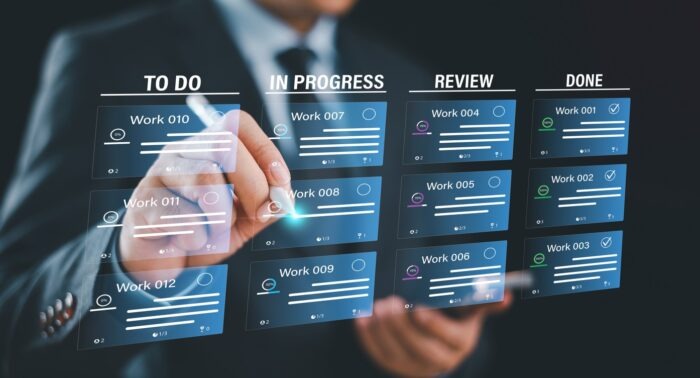
As SHARING IS SKILLING continues exploring the world of modern project management, one thing becomes clear: Agile has become one of the most popular approaches in today’s fast-changing industries. It feels lighter, more human, more intuitive—and incredibly powerful when used well.
Whether you’re new to Agile or deepening your understanding, here are 10 important things to know about Agile Project Management—each one shaping a smarter, more adaptive way of working.
Agile isn’t just a process—it’s a way of thinking. It encourages adaptability, collaboration, and continuous learning.
The four core values are beautifully captured in the Agile Manifesto: https://agilemanifesto.org
Instead of waiting months for a “big launch,” Agile teams deliver small, meaningful pieces of value throughout the project. This reduces risk—and keeps users engaged.
Traditional methodologies often resist change. Agile welcomes it and allows teams to adapt to evolving customer needs, new insights, or shifting priorities without losing momentum.
Agile teams design solutions with users in mind, not just documents. User stories, feedback loops, and iterative releases help ensure the product is actually useful—not just “finished.”
Scrum provides structure through roles, events, and rituals while remaining flexible.
If you want to explore Scrum in detail, the official guide is a must-read: https://scrumguides.org
Work happens in short cycles called sprints (usually 1–4 weeks). Each sprint includes:
Agile thrives on communication. Whether through stand-ups, sprint reviews, or demos, teams stay connected to each other—and to stakeholders. This transparency reduces misunderstandings and speeds up decision-making.
One of the key Scrum roles, the Product Owner ensures the team is always building the right thing. They prioritise the backlog, clarify the vision, and represent user needs.
A good overview is available here: https://www.scrum.org/resources/what-is-a-product-owner
A Scrum Master is not a “boss,” but a facilitator. They remove obstacles, guide the team in Agile principles, and keep the process healthy.
For more on the role: https://www.scrum.org/resources/what-is-a-scrum-master
Every sprint ends with a retrospective—a moment for the team to reflect on what worked and what didn’t. This feedback loop helps teams grow sprint by sprint, making Agile a living, evolving practice.
Agile Project Management isn’t just about efficiency. It’s about building smarter, staying flexible, and delivering real value. It invites teams to learn, adapt, and collaborate—and, most importantly, to stay connected to user needs.
As SHARING IS SKILLING continues this journey, we’ll explore where Agile truly shines, which industries are adopting it fastest, and how it can transform the way teams work, think, and create.
Stay tuned—more Agile adventures coming soon!
By the same author:
🧾 Agile Wings — Why I Prefer Agile & Scrum Over Traditional Project Management
🧾 From Stage Lights to Project Timelines — Why Event Coordinators Make Natural Project Managers
🧾 New Series: Sharing is Skilling
Image: Istock

With almost 15 years of experience in events, customer relations, and project coordination, I’ve built my career around bringing ideas to life.