Stop Predicting the Future: What Geneva Marketers Learned About Strategic Foresight
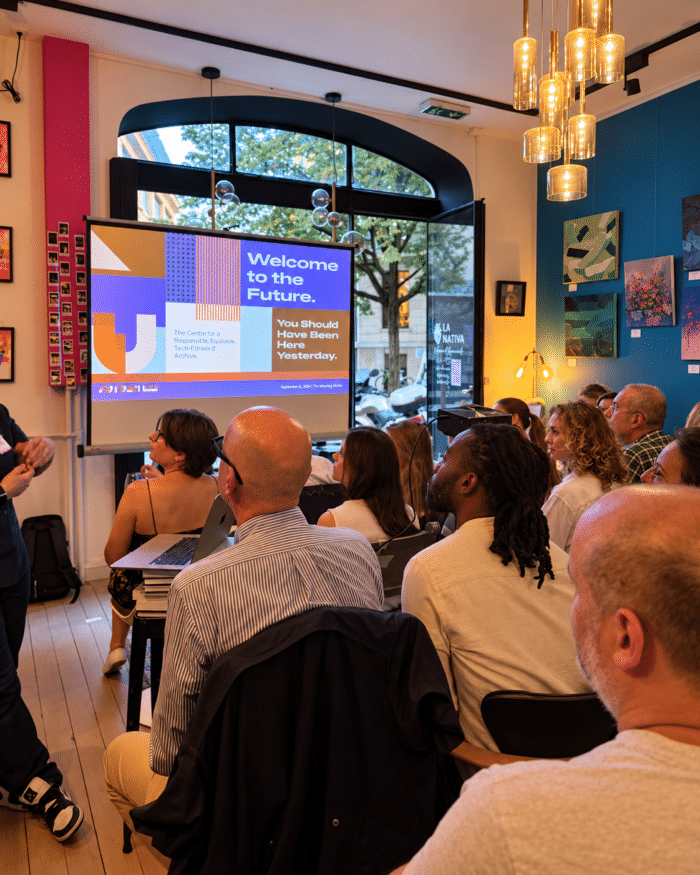
At The Marketing Meetup Geneva, MC Casal explored how strategic foresight can help marketers prepare for several plausible... En lire plus

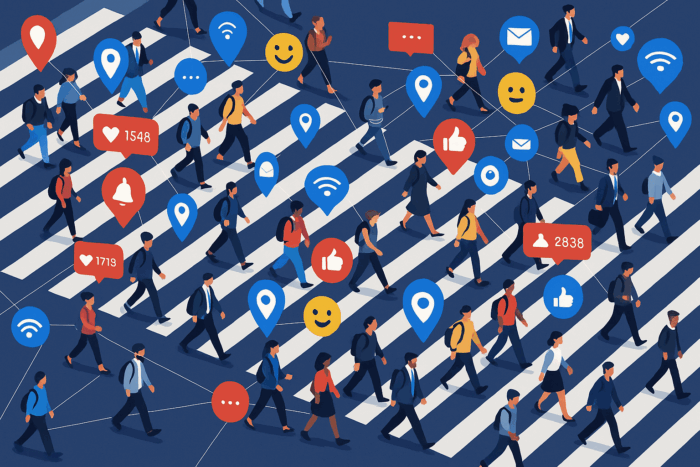
In today’s social media ecosystems, why do some people see their content going viral while others, posting similar content, remain invisible?
At first glance, the answer seems obvious: those with more followers get more views. But this explanation is too simple. The real question is: how do people become visible in the first place?
Virality is not just about content quality or luck. It is a social process shaped by networks, timing and positioning. To understand it, we need to move beyond individual behavior and focus on how visibility is constructed inside social systems.

One of the key ideas comes from social capital, introduced by Pierre Bourdieu. Social capital is the value of relationships, trust and recognition within a network. On social media, this means that visibility is not only about what you post, but also about who interacts with you.
When people engage with your content, they are not just reacting; they are distributing your visibility further into the network. Imagine a small creator with only 200 followers posts a video. At first, it receives little attention. However, one active user comments and shares it, and then a slightly larger creator replies or reposts it. This interaction exposes the content to a wider network. The visibility does not come from the original audience, but from the connections around it. However, this still does not explain how new actors grow from zero.
This is where the idea of network structure becomes important. According to Duncan Watts, virality does not depend only on influencers. It depends on how content moves through networks. Even a small account can grow if its content enters the right chain of interactions.
In other words, success is not only about influence but about positioning within flows of attention. A video from an unknown account starts circulating within several small but highly engaged communities. Each group shares it within their own circle. Even without a large influencer, the content spreads step by step, eventually reaching a much wider audience through accumulated interactions.
Another key concept is the Matthew Effect, described by Robert K. Merton. It explains how small initial advantages turn into large outcomes over time. If a post gets early engagement, it is more likely to be promoted.
On platforms like TikTok, algorithms prioritize content that keeps attention. This means that visibility creates more visibility, forming a feedback loop. Two similar videos are posted at the same time. One of them quickly gets a few likes and comments within the first few minutes. The platform detects early engagement and promotes it further. As a result, this video reaches thousands of users, while the other one remains almost unseen.
But early visibility is not purely random. It is often connected to cultural alignment. According to Everett Rogers, ideas spread when they fit existing social patterns. Content that feels familiar, emotional, or easy to imitate is more likely to be shared. This is why trends, formats, and repeated styles play such a strong role.
Accounts that grow are often those that understand how to enter ongoing cultural conversations rather than create something completely isolated. Formats like “get ready with me” or outfit transitions become popular because they are easy to recognize and imitate. Users already understand what to expect, which lowers the barrier to engagement and increases the likelihood of sharing and repetition.
At the same time, platforms are not neutral environments. As Zeynep Tufekci explains, algorithms shape what people see and how information spreads. They reward certain behaviors such as high watch time, repetition, and emotional reactions. This creates unequal visibility, where some content is amplified while other content is ignored.
A highly emotional video—such as a personal story or a controversial opinion—generates strong reactions in the comments. This increases watch time and interaction, which signals value to the algorithm. As a result, the platform pushes it to more users compared to neutral or less emotionally engaging content.
This leads to an important conclusion: virality is both open and unequal. In theory, anyone can go viral. In practice, not everyone has the same chances. Factors such as timing, consistency, cultural relevance and early engagement all influence outcomes.
Importantly, many successful profiles do not start with resources. They build visibility step by step. First, they align with recognizable formats or trends. Second, they create content that feels relatable and easy to engage with. Third, they stay consistent long enough for small gains to accumulate. Over time, repeated exposure turns into recognition, and recognition turns into social capital.
In this sense, social capital is not something you simply have. It is something you build through continuous interaction, visibility, and participation in networks. Virality is not a single moment of success, but a process of entering a system, gaining attention, and reinforcing that attention over time.
In conclusion, the sociology of virality shows that success online is not just about talent or luck. It depends on how individuals position themselves within networks, how their content travels, and how platforms amplify certain patterns. The real question is not why the popular are visible, but how the invisible become seen.
Related articles: How to grow on social media without ads
Photo credits: Rawpixel via DepositPhotos

With a degree in Sociology and a certification in Digital Marketing, I leverage social patterns to create visibility, foster engagement, and craft culturally relevant content.