Les professionnels de GBNews.ch s'allient à la puissance des technologies en intelligence artificielle générative, pour informer la communauté des affaires et le grand public, des dernières tendances et des évolutions du marché de l'emploi.

Phytotherapy, the oldest and the most modern of therapies, offers efficient treatments for many ailments. The Greek root of this term simply means "to cure and recover with plants."
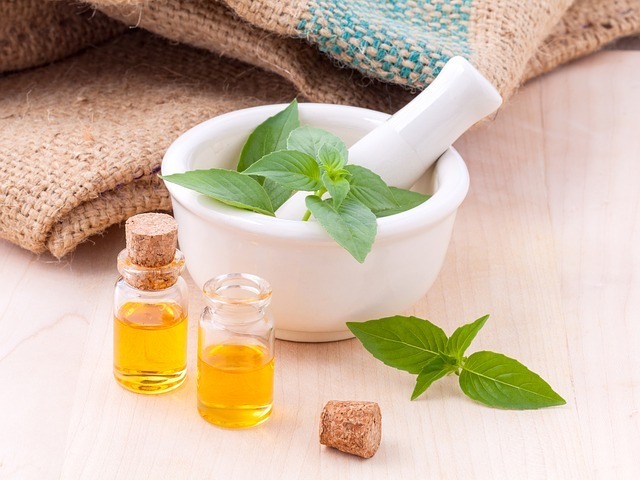
It’s cold. Daylight decreases, nature is on standby. It is a period when the sunshine is less abundant and weaker. During this season, we need to awaken our internal light.
During this season, when our energy is very low, we need to enjoy the benefits of plants. More space should be given to reflection, introspection. It should also be a time to slow down, to get together and have tea, to open the cupboards that contains dozens of herbal infusions. The cold, the change in temperature between inside and outside, and pervasive viruses also mean that the immune system needs to remains efficient.
For millennia, humans have obtained remedies from plants. The preparations and indications for using herbal medicine are passed down from generation to generation. At present, substantial resources are devoted to scientific research on this type of medicine, which is appreciated everywhere in the world now more than ever.
In the winter, plants are a reminder of the generosity of the earth. They offer us their healing powers in the form of remedies for health problems, but they are also good for our general well-being. Using plants as a first defense in the fight against the ills of the season is a good attitude to have. Here are some of the most common illnesses and some of the plants that can help.
Bronchitis
An ivy-based syrup is very effective for bronchitis, and has no side effects. Thyme can also help, since it is antiseptic, antispasmodic and expectorant. It calms coughs and makes breathing easier.
The common cold
This minor illness affects most people during cold and wet periods. Thyme essential oil, thyme infusion, or as an inhalation helps clear the nose. Ginkgo biloba, a plant from south-east China, helps keep the extremities warm by increasing blood circulation. The elderberry plant is anti-flu.
It is possible to relieve cold symptoms with peppermint. Inhaling its essential oil has a decongestive effect on the nasal mucus. However, it should be used with caution since this plant could have harmful interactions with other substances, and it should never be used on children under six years old (the authors of “Guide of Healing Plants”, Vidal editions).
Echinacea is also traditionally recommended as a complementary treatment of colds. However, it is not recommended for people with allergies, diabetes or who are immunodeficient. Studies have shown some effectiveness of Siberian ginseng in preventing minor winter infections.
Scientists are currently researching the efficiency of an amino acid derived from green tea: L-theanine. The studies are still relatively recent. A first trial was conducted on 124 subjects in Florida, aged 18 to 70*. After ingesting theanine capsules and Epigallocatechin gallate (EGCG), a powerful antioxidant also found in green tea, these subjects contracted fewer colds and flu than those who took a placebo. Those who did become ill had shorter and less intense symptoms. The study revealed other positive effects: L-theanine contains relaxing properties and provides significant improvement in sleep quality.
Strengthening the immune system
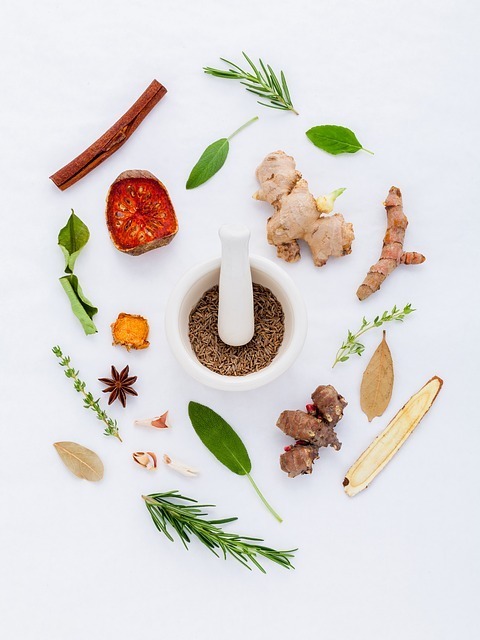 Those who want to strengthen the immune system before winter can take Echinacea supplements (although some argue that there is no clear evidence of its efficiency) and Siberian ginseng. However, the most well-known plant for this is Asian (sometimes called Panax) ginseng root. It is said that ginseng gives a person energy. Ginseng can be found in powdered form or as a whole dried root. The stimulating effect of the extracts of this plant on the immune system has also been scientifically demonstrated, particularly in the context of respiratory infections. In additional to Echinacea, gentian root and flowers, which can be antiviral, are fever-reducing, and stimulate the immune system.
For a sore throat
First, the marshmallow plant, whose root is rich in mucilage (a thick, gluey substance produced by certain plants that can help to calm irritated mucus membranes). Used in syrup or mouthwash, it can calm inflammation. However, experts advise against eating or drinking marshmallow root syrup immediately before or after taking pharmaceutical medication, since there is a risk of interaction.
An infusion made from dried sage leaves can act as both an anti-inflammatory and an antiseptic, making it an efficient gargle to soothe sore throats and irritation.
To enjoy the benefits of plants
Most importantly, product quality is essential. Buying herbal preparations over the internet or at the local market may not guarantee quality.
Pharmacies must ensure the quality of the plants they sell, and must also ensure the traceability of products being sold. In Switzerland, all products sold even in supermarkets are controlled by the cantonal laboratories.
More and more people have a knowledge of the use of plants, however, their knowledge is often not quite accurate, thorough or comprehensive.
The consumption of plants can have side effects, despite what many think. According to one guide consulted, 148 medicinal plants can be sold outside pharmacies. The need to be well-informed before using medicinal plants is important. Prevention is better than cure. Finally, common sense tells us that if symptoms do not improve, it may be time to consult the family doctor.
1) Rhumes, maux de gorge : les plantes médicinales de l'hiver, Anne Jeanblanc, 01/11/2010, lepoint.fr.
2) Specific formulation of Camellia sinensis prevents cold and flu symptoms and enhances gamma,delta T cell function: a randomized, double-blind, placebo-controlled study. Rowe CA, Nantz MP, et al. J Am Coll.Nutr 2007;26(5):445-452.
3) Des plantes pour l'hiver. Guide santé, pharmacieplus, le mensuel santé, déc. 2009.
4) Affronter l'hiver sans médicaments, Allodocteurs.fr, originally published 30/11/2010, updated 26/10/2015.
Photo credit: kerdkanno via Pixabay, CC0 Public Domain License
As well as these medicinal herbs which mostly seem to need to be taken against specific ailments, can you not just make sure you eat a balanced diet in the first place? We have often heard about so called "super foods" - what kinds of vegetables /plants would you champion in this group?
Wow, Haifa, thank you so much for this advice! Thanks to your article, I found an ivy-based cough syrup that seems to be working!
I also use many of the other remedies regularly. However, I am always trying to find good essential oils for winter massages, that help to clear the nose and lungs and relax the body. Any suggestions?