
High-Stakes Travel: When Critical Client Support Matters
Discover how critical travel cases are handled with calm precision, and what it takes to deliver professional support... En lire plus

Pour lire l'article en français, cliquez ici
In this article, I am going to look at why, even with the rise of AI in the travel industry, the human touch to travel planning will not be replaced.
Artificial Intelligence has brought undeniable progress to the travel industry, optimizing how bookings are handled, improving efficiency and providing faster access to relevant information. But while AI supports the journey, it is still people who make it personal.
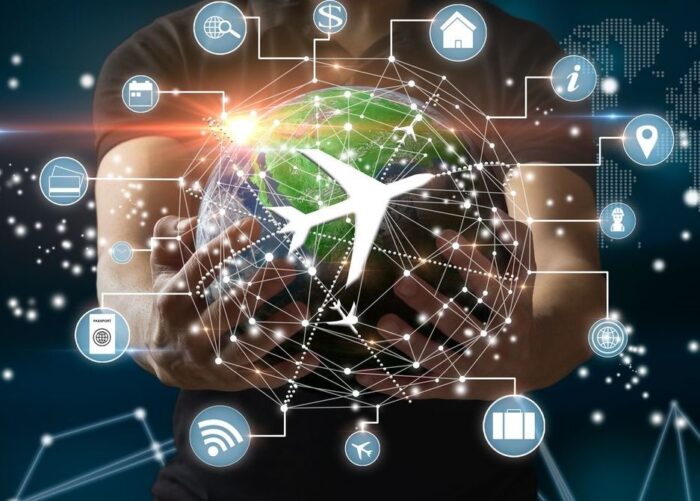
Whether it is a chatbot (sometimes called an online helper or 24/7 virtual agent), instant replies or digital kiosks at the airport, technology has changed how we travel.
AI also plays a growing role in smart baggage handling, biometric identification at eGates, and social media monitoring, enabling providers to monitor traveller satisfaction in real time and take proactive steps to enhance the experience. Airports are more efficient in baggage tracking, and travellers are more informed.
Yet behind all this progress lies one truth: when travel gets complicated, people do not want an algorithm; they turn to someone who truly understands their needs.
As a business travel consultant for over a decade, I have seen this firsthand.
During a major airline strike, I supported dozens of clients facing unexpected cancellations, many of whom were high-profile or corporate travellers. I personally reached out to each one, rearranged itineraries with partner carriers, and kept them informed every step of the way. Most were rebooked within 24 hours. What stood out? Many of those clients later requested to have me handle their travel personally moving forward.
That moment confirmed something essential: real trust is built by human care.
This experience also highlighted the importance of presence, not just being available, but truly engaged. Clients appreciated not only the speed of the solution but the sense that someone was personally invested in getting them to their final destination smoothly.
AI has become a partner in our work, not a replacement. It takes care of repetitive tasks and speeds up access to data. But the ability to listen, reassure, and solve complex situations remains uniquely human.
Travel consultants bring a unique human touch to every journey. In high-stress situations like last-minute cancellations, missed connections, or visa issues, it’s the consultant who steps in — not just with a fix, but with reassurance, empathy, and clarity when emotions run high.
They design meaningful, personalized itineraries and anticipate needs with thoughtful, proactive support. When last-minute changes arise, they respond with empathy and calm, reassuring travellers along the way. Whether guiding clients through loyalty perks or managing unexpected disruptions, travel consultants ensure that every trip runs smoothly, personally, and with the comfort of knowing someone’s looking out for them.
The future of travel lies in smart collaboration: AI offers speed and structure, and professionals deliver warmth and intuition.
Airlines, agencies, and technology are stronger together. It is not about who does it better — it is about how much better we are when we work as one.
As we move forward, the most successful travel professionals will be those who embrace technology while doubling down on the human side of service: empathy, adaptability, and problem-solving.
Technology powers the journey, but people make it unforgettable
Because even the smartest tools can’t replace the comfort of hearing from your travel agent, “don’t stress, I have it sorted.”
And that’s what turns a trip into a journey worth remembering.
Image: Iván Jesús Cruz Civieta
Further reading: Why you need a Business Travel Manager

Trilingual Business Travel Consultant with 10+ years of experience managing complex corporate and individual travel.