Cheffe de projet : Entre méthode, leadership et intelligence humaine
Pour PMI Institute, une cheffe de projet est « la personne désignée par l’organisation réalisatrice pour diriger l’équipe... En lire plus

What enduro taught me about risk, teamwork, and the human side of uncertainty
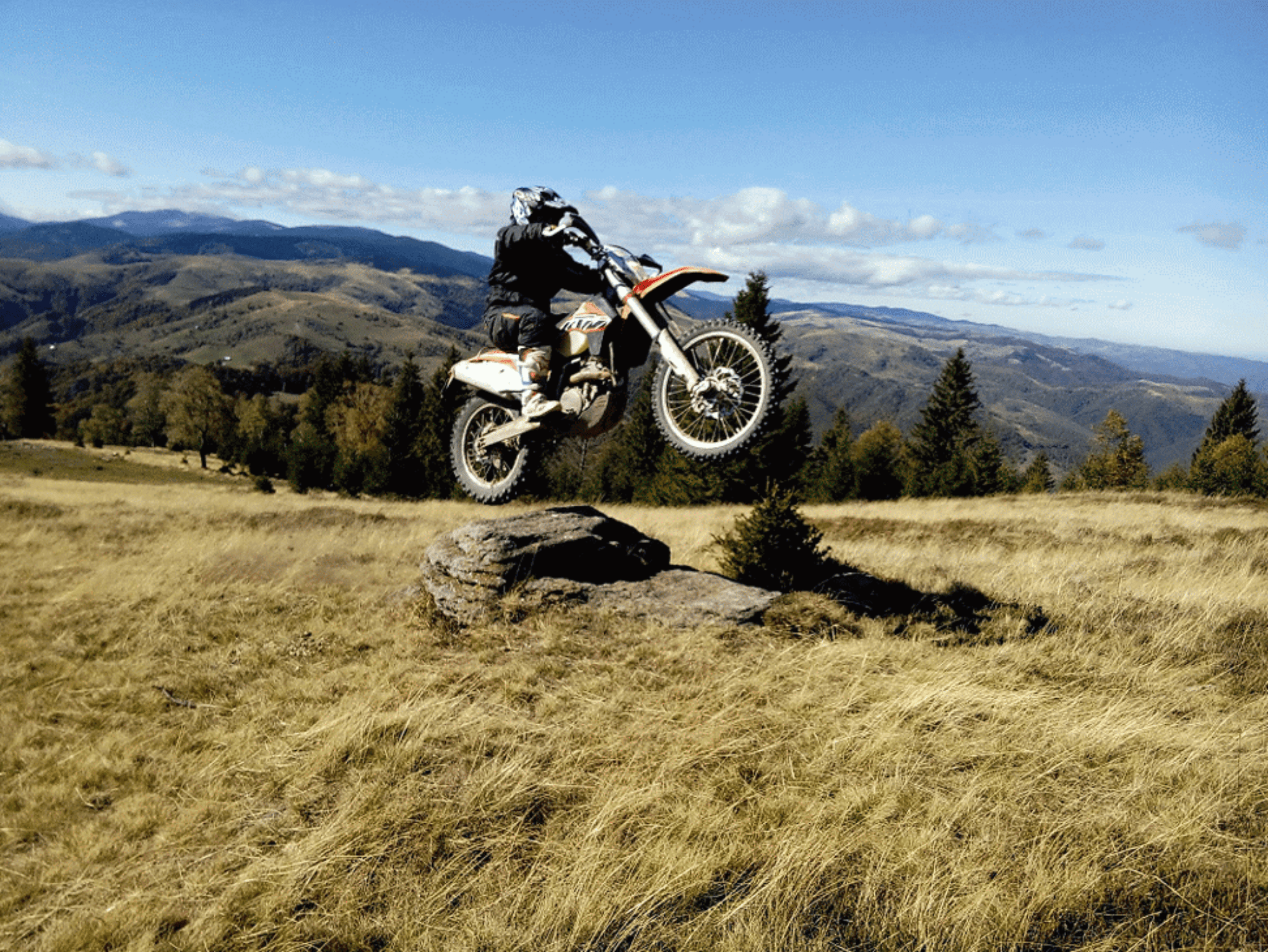
Icaro Pintangui - Enduro Romania 2014. A moment of momentum, uncertainty, commitment.
Many of us work as project managers during office hours. We talk about scope, schedule, risk, mitigation, dependencies, and delivery. We learn to structure uncertainty, anticipate obstacles, and keep people aligned around a common objective.
But the moment we leave the office, many of us stop thinking that way. Life does not.
Outside the office, there is still uncertainty. There is still risk. There are still changing conditions, limited resources, unexpected setbacks, and people depending on one another. The difference is that life rarely gives us a clean dashboard, a steering committee, or a formal escalation path.
I learned this very clearly through enduro riding.
At first glance, enduro may look like just another sport. For me, it became something much deeper: a living reminder that project management is not only a corporate role. It is a human skill. In many ways, it is a way of moving through reality.
On the trail, the question is not whether something will go wrong. It is when.
A rider will eventually fall. A bike will get stuck. Weather will change. Terrain will surprise you. Fatigue will affect judgment. Plans will need to be adjusted in real time. In other words, risk is not theoretical. It is part of the experience.
And that is exactly why the trail teaches something that many organizations still struggle to fully understand: under pressure, project management becomes people management.
A process can tell you what should happen. Pressure reveals what actually happens. That is where the human side begins.
In enduro, teamwork is not decorative. It is not something you mention in a slide deck because it sounds good. It is practical, visible, immediate, and, sometimes, essential.
When someone falls, people stop. When someone struggles, people help. When someone needs time, the group waits. Because the spirit is simple: we start together, and we finish together. Nobody is left behind.
That principle may sound emotional, but it is also operationally intelligent. Strong teams do not move by abandoning their weakest point. They move by protecting cohesion, supporting each other under stress, and understanding that the final outcome depends on more than individual performance. In projects, the same logic applies. You can have talent, process, planning, and ambition. But if people break apart at the first serious difficulty, the project is already weaker than it looks on paper.
That is why I no longer see teamwork as a soft concept. I see it as execution strength.
One of the most powerful lessons from the trail is how quickly stress reveals character. In comfortable environments, almost everyone seems collaborative. Almost everyone sounds calm, capable, and balanced. But remove comfort, add uncertainty, introduce physical and mental pressure, and suddenly the real person appears.
Some people become calmer. Some become more generous. Some become impatient. Some naturally step in to support the group. Others realize, on their own, that they are not ready for that environment.
And that may be one of the most honest things about enduro: the trail creates a natural selection of attitude. Over time, the people who remain are often the ones who cooperate spontaneously, adapt without drama, and understand the unspoken discipline of collective progress. No one needs to exclude anyone. The environment reveals who is aligned with that spirit and who is not.
Projects do the same thing. Not always through mud, cliffs, fatigue, or mechanical trouble, but through pressure, deadlines, ambiguity, conflict, and responsibility.
A project may begin with roles and titles. But when tension rises, what sustains performance is not the org chart alone. It is trust. Emotional control. Mutual support. Ownership. Respect. The ability to respond without panic and to stay useful under stress.
That is why I believe one of the great limitations in how many people see project management is that they restrict it to the workplace. They practice it as a function, not as a mindset.
I used to be like that too.
Inside the company, I thought like a project manager. Outside it, I treated life more casually, as if those disciplines belonged only to work. Over time, I understood something important: whether we acknowledge it or not, life keeps asking us to manage uncertainty, decisions, trade-offs, priorities, and consequences. Every day.
Not with the language of PM frameworks, perhaps, but with the same underlying demands.
Enduro made that truth impossible for me to ignore.
It also reminded me of something equally important: life is not only about doing what must be done. Discipline matters. Consistency matters. Responsibility matters. But finding what makes you feel alive matters too.
And that does not always come from grand achievements. Sometimes happiness is a wide landscape. Sometimes it is the silence of nature. Sometimes it is the simple joy of moving forward with people who share the same spirit. Sometimes it is an unexpected friendship. Sometimes it is just a quiet moment on the trail that reminds you you are fully alive.
We often search for meaning in large milestones, titles, promotions, or visible wins. But some of the best gifts in life arrive in very simple moments. Enduro taught me that happiness is not necessarily hidden in extraordinary success. Very often, it lives in simplicity, presence, and connection.
That lesson also matters in leadership. People do not give their best only when they are managed well. They give their best when they feel part of something human. When discipline and meaning coexist. When responsibility and camaraderie walk together. When performance does not erase dignity. When challenge does not eliminate empathy.
This is where project management and people management truly meet: not in theory, but in behavior.
And perhaps that is the bigger message for all of us who work in leadership, coordination, delivery, and transformation roles: if our project discipline disappears the moment we leave the office, then maybe we were never practicing it deeply enough.
Because real project thinking is not only about planning work. It is about how we deal with uncertainty. How we support others. How we react under pressure. How we adapt without losing direction. And how we remember that progress, in the best teams, is rarely an individual act.
There is a quote I deeply relate to: “By helping someone reach the top of the mountain, I realized I had reached the top as well.”
That idea captures something essential. On the trail, as in projects, success becomes more meaningful when it is shared.
And perhaps that is why I no longer see project management as something that starts at the office and ends at the office door.
At work, it may be a role. In life, it is a discipline. And under pressure, it becomes deeply human.
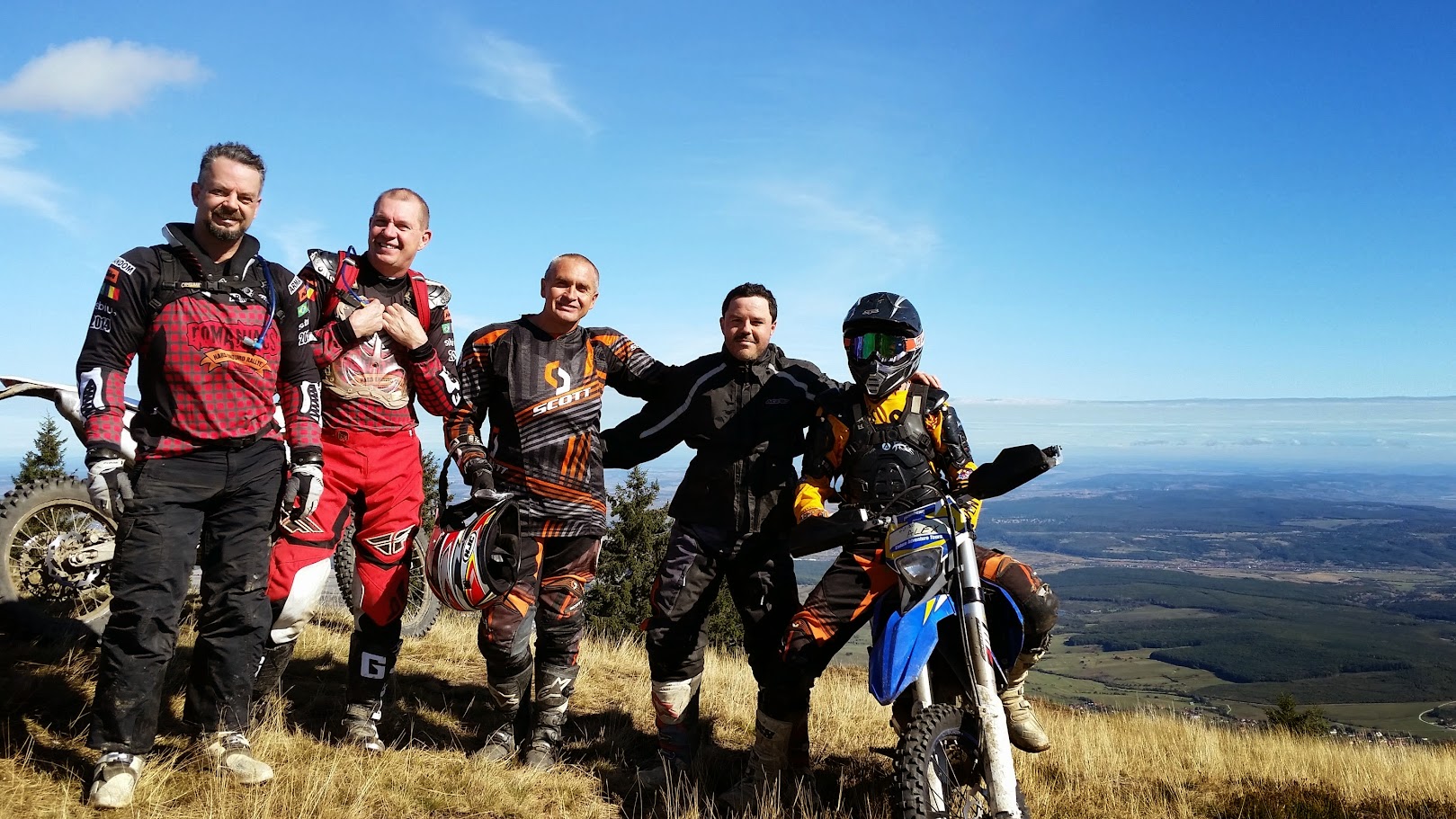
Romania 2014, with the group - shared risk, shared support, shared arrival.
On the trail, as in projects, nobody gets to the finish line alone.
I turn critical telecom infrastructure into competitive advantages for my clients. 15 years of expertise: from DWDM/SDH/PTP radios backbone networks to 5G deployment, coordinating 1,000+ field resources. My approach? Technical excellence meets entrepreneurial vision to deliver high-impact projects—on time, on budget, with added value. Based in Geneva, seeking the next major telecommunications challenge in Switzerland or Europe.