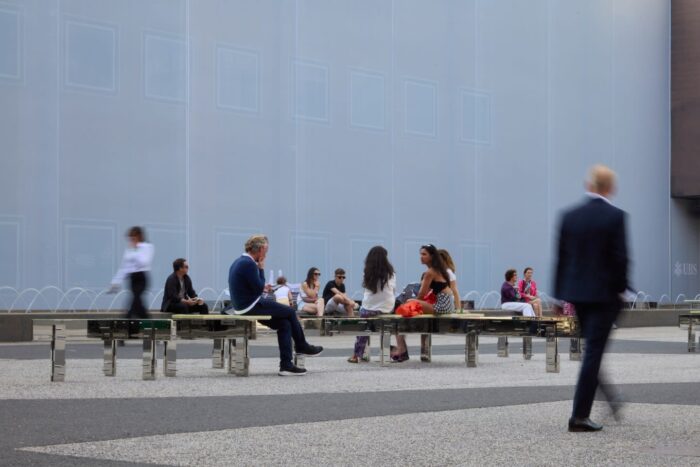
What Makes Us Stop? A Designer’s View from Art Basel 2026
At Art Basel, attention felt like the real currency, with visitors drawn to works that offered a clear... En lire plus

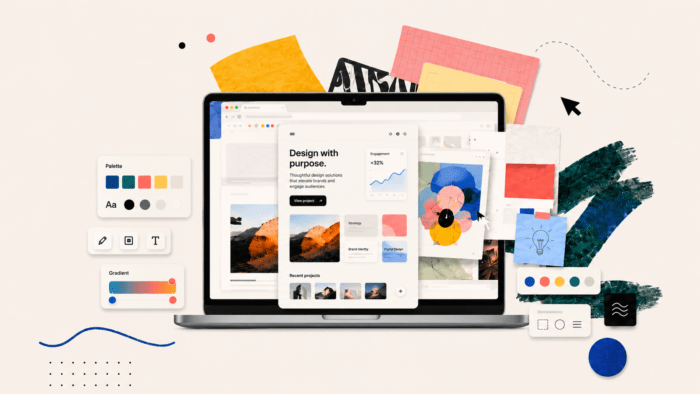
Creative references now come from everywhere: fast-moving social media feeds, curated award platforms, editorial stories, portfolio communities, AI tools and real-life projects from creatives all over the world.
But useful inspiration is not only about finding something beautiful.
It is also about seeing what is possible, understanding how other creatives solve problems, and noticing how visual culture, technology and storytelling are evolving.
Here are five websites that have become part of my creative research process.
Awwwards is one of the best-known platforms for discovering creative websites. It focuses on web design, digital experiences and interactive projects. The site features nominees, Sites of the Day, Sites of the Month, collections, agency profiles and categories ranging from e-commerce and architecture to interaction design, mobile apps and 3D websites.
What makes Awwwards interesting is that it is not simply a gallery of nice-looking websites. Many of the projects are judged through a creative and technical lens, which means the work often sits somewhere between visual experimentation, storytelling, usability and development.
It is not necessarily the place to find everyday functional websites, such as a simple booking platform or a corporate contact page. Instead, it is a place to see how far digital design can be pushed when a brand has the budget, ambition and technical support to create something more immersive.
One standout example is Cartier’s Watches and Wonders experience. Visually, the website feels more like entering a digital exhibition than browsing a traditional product page. The watch is not just shown as an object. It becomes part of an environment.
The experience uses scale, movement and atmosphere to make the user feel like they are exploring a world around the product. It is a reminder that luxury digital design is not only about clean aesthetics. It is also about pace, atmosphere and creating a sense of discovery.
WePresent is WeTransfer’s digital arts and editorial platform. It tells unexpected stories about creativity from around the world, covering photography, film, music, design, technology, identity, culture and other creative subjects.
This is a different kind of inspiration. It is less about layouts, buttons or typography, and more about creative thinking.
The platform features both well-known and emerging creatives, often focusing on personal stories, cultural projects, unusual artistic processes and work that may not appear in traditional design portfolios. It is a good reminder that creativity is not limited to polished brand systems or perfect case studies.
One story that stayed with me is Kanwar Pal Singh’s photography of the mythical mountain festivals of Himachal, India. The article follows Singh, a photographer based in Chamba, who has spent years documenting lesser-known celebrations across the mountain regions.
One focus is Raulane, an ancient spring festival in Kalpa, where locals wear handwoven clothing, intricate jewellery, masks and flower crowns to mark the end of winter. What makes the story creatively powerful is not only the visual richness but also the sensitivity behind the work.
The article explores the tension between visibility and preservation. When Singh’s photographs went viral, the festival gained attention, but also risked being misunderstood, mocked or commercialised without context. His work raises an important creative question: how do we share culture without reducing it to an aesthetic?
Behance is one of the largest creative networks online. It is a community with more than 50 million members, where creative work is viewed billions of times every year.
It is a useful platform because it shows more than one beautiful final image. Many projects include a full creative journey: brand strategy, logo design, typography, illustration, packaging, photography, motion, mockups and final applications.
That makes Behance especially helpful when you want to understand how a visual identity works as a system.
A project worth exploring is I AM ITALIANO | The Most Italian Chocolate by Happycentro Design Studio. The project brings together art direction, branding, illustration, packaging, type design and photography to create a chocolate brand that feels both sophisticated and joyful.
What stands out is the bold use of illustration and the system behind the variety. Each pack feels like a small character or story, using strong colours and playful references to Italian identity. Yet the range still feels cohesive, which is often the real challenge in branding: creating enough personality for each product while keeping the whole collection recognisable.
Dribbble is a faster, more immediate inspiration platform. It is especially useful when starting from a blank page and needing a quick spark.
Compared with Behance, projects on Dribbble are often smaller and more visual. Many posts focus on one screen, one animation, one interaction, one logo or one design direction. There is usually less explanation, but the creative energy is high.
This makes it a good place for exploring UI concepts, mobile screens, product design, branding, illustration, motion and experimental visuals.
A strong example of this quick visual storytelling is the Animated Onboarding Flow: AI Language Learning App by Nixtio. The project presents a mobile language learning experience focused on engagement, simplicity and habit formation. The onboarding highlights interactive exercises, learning streaks, progress visualisation and AI-assisted education, while using playful robot characters and a soft visual language.
What makes it inspiring is the use of animation to make a familiar app flow feel more memorable. Many onboarding screens explain features in a very standard way. Here, the motion and character design add personality and warmth.

Figma Community is useful because it turns inspiration into something practical. It includes templates, design files, plugins and widgets created by the design community. Figma’s own templates page also points users toward community-made templates, widgets and plugins that can be explored and reused.
This makes it different from a traditional inspiration gallery. You are not only looking at screenshots. You can open files, study how they are built, duplicate templates, experiment with layouts and adapt ideas to your own projects.
The inspiration can range from portfolio templates to social media layouts, design systems, wireframes, icons, presentations and AI prototypes.
A useful starting point is Figma’s article on web design trends for 2026. It highlights trends such as 3D and immersive elements, experimental navigation, vibrant colour palettes, bold typography, dark mode, motion design, gamified design, maximalism and sustainable web design.
The value of this kind of article is not that every trend should be followed. It gives a snapshot of where digital design is moving and what users may start seeing more often. For someone looking for inspiration, it can help connect individual examples to wider creative shifts.
This is exciting, but it also comes with a reminder: trends are tools, not rules. A trend can inspire a direction, but it should not replace creative judgment. The best design decision still depends on the project, the audience, the message and the business goal.
There are many places to find design inspiration online, but the best sources do more than show beautiful visuals.
Awwwards shows what is possible in digital experiences. WePresent reminds us that creativity is connected to culture and storytelling. Behance shows complete creative systems. Dribbble gives quick visual energy. Figma Community helps people learn, experiment and build from shared resources.
The design world is constantly evolving, and staying inspired is part of staying relevant.
But inspiration should not become imitation. The real value comes from looking at what others are doing, understanding why it works, and then making thoughtful decisions for your own project.
Inspiration should open possibilities, not make decisions for you.
Further reading: Elixir Arts
Image: theromb Portfolio: Stock Photos, Vectors, Video, Audio | DepositPhotos, ChatGPT
I help brands communicate ideas through visuals, stories and digital experiences.