Interdit de lire ? Chapitre 4 : la censure à l’ère du numérique
Si l’on pense aujourd’hui à la censure littéraire comme étant d’abord une censure physique des livres en bibliothèques... En lire plus

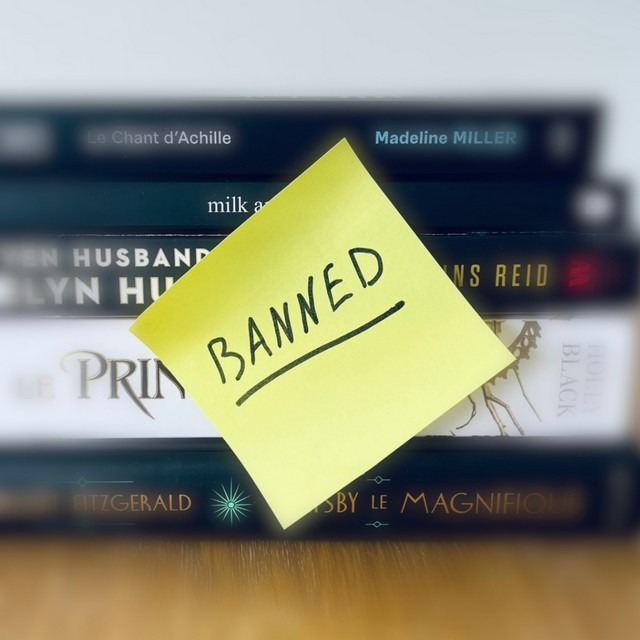
Historically, literary censorship has been motivated by the protection of the moral order, whether political or religious.
For centuries, books considered as obscene, blasphemous, or controversial were systematically banned by various authorities (sovereigns, the Church, the State). While we now think of literary censorship as primarily the physical censorship of books in libraries or bookstores, as we explained in my previous articles, it is unfortunately also digital.
At a time when some are crying "fake news" and promoting "cancel culture," the invisibility of information and literature in the United States represents a true digital book burning. In this context, the moderation of information, whatever its format, is justified by a need for order and control.
And of course, if there is removal from a library, the online catalogues of schools or public institutions are not spared either.
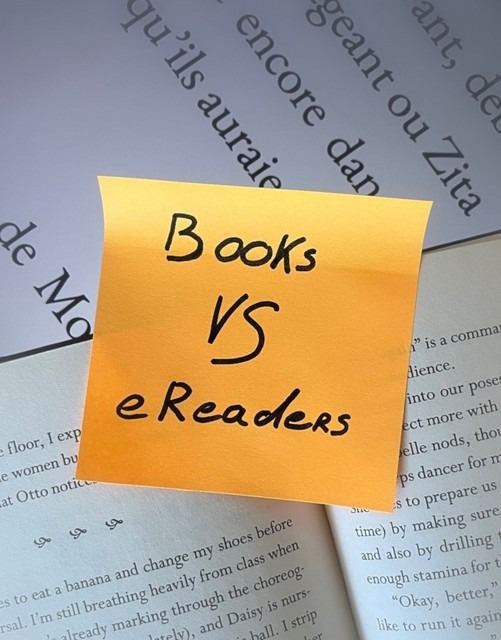
Platforms like Apple or Amazon, to name just a few, certainly promote digital reading, but they also have permanent control over the content made available.
For example, on Kindle e-readers, users only have a simple license to access e-books, without the ability to lend, resell, or give their book away as they could with a physical one.
How can this be explained?
Digital Rights Management (DRM) technologies are the cause. They attempt to control what you can and can not do with the media and hardware you have purchased. Bought an ebook from Amazon, but can not read it on your ebook reader of choice? That is DRM.
This Vice Media article summarizes it well:
"See, when you do not have a paper copy—or at least a downloaded copy that you control—you are just licensing the content from the company that took your money. You do not own it. You just get to use it at the discretion of their whims.
Downloading your Kindle books was one way to ensure that, should Amazon or a publisher attempt to access your Kindle account to revoke or modify your books, you would at least have an unaltered copy for yourself. With that option removed, you are once again completely at their mercy.
That is, unless you download your e-books from indie bookstores. Or pick up a paper book."
The article The Anti-Property E-book Economy states that "librarian ethics include ‘intellectual freedom’, the principle of a private right to read and research based on the idea that people should be able to read, learn, and debate without being monitored and recorded."
However, we know that our research and reading habits are tracked.
There are indeed laws regarding privacy for readers and researchers, based on the principle of intellectual freedom, but they were written long before the era of e-books.
It is therefore difficult to enforce the rights of library users in the absence of up-to-date legislation.
One answer would be to adapt existing laws to current digital reading practices and to create legislation allowing the transfer of e-books between platforms.
Platforms, for their part, should be more transparent about their moderation criteria.
And why not promote independent digital libraries instead of crushing them for the benefit of large platforms?
This chapter highlights a worrying evolution in literary censorship: its transition from the physical world to the digital universe. Unlike traditional bans, which are easily identifiable, digital censorship operates in a more subtle, but equally effective way. It relies on DRM technologies and the control exercised by large platforms, creating a situation where readers are progressively losing their fundamental rights over the works they acquire.
This transformation poses significant challenges for libraries and democratic access to culture, necessitating an urgent revision of the legal framework and a collective understanding of these new issues. The preservation of intellectual freedom in the digital age requires increased vigilance and innovative solutions to counter this new form of silent book-burning.
By the same author:
Réseaux sociaux et livres : céder aux chants des sirènes
Social media and books: answering the siren call
Prohibited from reading? Chapter three: how can American libraries remain inclusive ?
Interdit de lire ? Chapitre 3 : comment les bibliothèques américaines restent-elles inclusives ?
Prohibited from reading? Chapter 2: Voices of protest in the United States
Interdit de lire ? Chapitre 2 : Les voix de la contestation aux États-Unis
Prohibited from reading? Chapter one: a librarian analysis
Rencontre avec Tamar Songhulashvili : Un engagement pour l'intégration
L’intelligence artificielle au cœur de l’évolution du journalisme : débats et perspectives
Interdit de lire ? Chapitre 1 : décryptage d’une bibliothécaire
Photo credit: Chloé Wahl
Dès mon plus jeune âge, les livres m'ont ouvert des fenêtres sur le monde. Chaque page tournée était une nouvelle aventure, chaque histoire m'a aidée à construire mon imagination et mon esprit critique. Cette fascination pour le monde des livres m'a naturellement menée vers ma vocation, devenir agente en information documentaire. Mon but est de continuer à connecter les gens avec les bons livres et les bonnes ressources numériques. Il me tient également à cœur de rester engagée dans la mission primordiale des bibliothèques : promouvoir l'accès à la culture pour tous les publics malgré les nombreux défis qui s'imposent.