Comment construire une marque personnelle forte sur LinkedIn
Qu'ont en commun une invitation à un podcast, une offre d'emploi et une campagne de financement réussie ?... En lire plus

What do a podcast invitation, a job offer, and a successful crowdfunding campaign have in common? They can all start with LinkedIn. Not with a perfect resume—but with a profile that speaks for you, even when you’re silent.
LinkedIn is no longer just a place to post your CV. It’s a professional network where your presence either works for you or against you. This is especially true for those building careers in new countries, looking for clients, or wanting to share their experience more widely. It’s not about algorithms—it starts with positioning and strategy. Every post shapes how people perceive you, what they expect from you, and how they place you in their mental map of your industry.
Your profile isn’t just a business card. It’s a page that either builds trust or closes the door. When someone lands on your profile, they make a decision in seconds: stay, connect, or move on. Your job is to speak to them—not just about yourself.
Start with a photo—professional, warm, approachable. Then your headline. Don’t write “Marketing Manager.” Write something like: “Helping European businesses grow through content strategy and brand positioning.” Your headline should promise value.
Then comes the “About” section. Write a short, human story: who you are, how you got here, what you believe, and who you help. Avoid corporate jargon—write like you speak. And include a line about how people can work with you.
In the “Featured” section, add context: presentations, interviews, articles. Not just logos—what role did you play? This isn’t for HR. It’s a reputation touchpoint for future collaborators.
Also fill in your work experience, education, skills, and recommendations. But always think of the reader. What would they find useful? Be specific. Mention achievements and examples. A dry list of companies won’t build trust.
Your profile can be perfectly polished—but if no one sees it, it’s like talking into an empty room. Visibility isn’t a bonus. It’s what makes LinkedIn actually work for you.
I focus on topics that come up every day in work with entrepreneurs and marketers: how to build clear positioning, what mistakes damage a brand, how to package expertise into content. I don’t try to inspire—I deliver practical solutions people can use right away. That’s why I’ve built an audience that values structure and action.
I publish three times a week, and every post comes from real-world experience: what works, what doesn’t, what tools build trust, and how to adapt traditional marketing to today’s digital reality. This isn’t theory—it’s the same advice I give clients and use myself. Consistency and relevance create presence. That’s what builds a brand.
Your content doesn’t need to be perfect. It needs to be useful. You can post:
Here’s another insight: comments matter. Don’t just say “Great point!”—add something thoughtful. Ask a question. Others will see it, and visit your profile.
LinkedIn isn’t about looking flawless. It’s about showing who you really are. When your content reflects how you think, how you solve problems, and what matters to you—it creates connection. People visit for the value and stay for the substance. That’s how you build visibility that works.
I now advise clients to:
Visibility isn’t about virality. It’s about staying relevant to the people who matter to your work.
LinkedIn isn’t a shop window or a database. It’s a place for real professional conversations. Everything starts with a message. If you want to be visible—don’t wait to be discovered. Reach out first.
Contact people whose work you admire. Ask for their view. Offer a short, casual call. Real, curious messages often turn into collaborations, referrals, or new friendships. And those connections lead to real results.
Your network isn’t about numbers. It’s about depth. People remember those who ask, respond, share, and care. Initiative is the new networking. If you find someone interesting—say so. That’s not pitching. That’s being human.
Personally, I’ve met dozens of professionals this way—through a short message that included a compliment and a question. These conversations led to articles, partnerships, and clients. Algorithms don’t build trust. People do.
To see results on LinkedIn, you don’t need to be famous or guess the algorithm. You just need to work consistently on three things: a strong profile, valuable content, and meaningful engagement.
Your personal brand won’t appear overnight. But with every thoughtful post, every helpful comment, and every honest message—you strengthen your voice in your field.
LinkedIn isn’t just a platform for self-promotion. It’s a tool for mutual value. The people who win here aren’t the loudest, but the clearest, most consistent, and most helpful. Focus on being useful—and the right opportunities will find you.
By the same author:
Sans équipe marketing, mais sans marge d’erreur !
Comment construire une marque personnelle forte sur LinkedIn
Embaucher des Ukrainiens qualifiés et motivés : Un atout pour votre entreprise
Ukrainians With Permit S: Skilled, Motivated, and Ready to Contribute
Finding Your Voice Again: A New Approach to Language Learning for Professionals in Switzerland
Retrouver sa voix : Une nouvelle approche de l’apprentissage des langues
Ecosystem Leadership: How CEOs Amplify Their Influence Through Strategic Collaboration
Leadership écosystémique : Comment les PDG amplifient leur influence par la collaboration stratégique
Comment l’IA aide les équipes marketing et commerciales à travailler plus intelligemment
De l’Ukraine à Genève : Comment Nuage Cashmere allie luxe, durabilité et solidarité dans la mode suisse
How AI helps marketing and sales teams work smarter, not harde From Ukraine to Geneva: How Nuage Cashmere Blends Luxury, Longevity, and Solidarity in Swiss Fashion
Image: by BM Amaro from Pexels
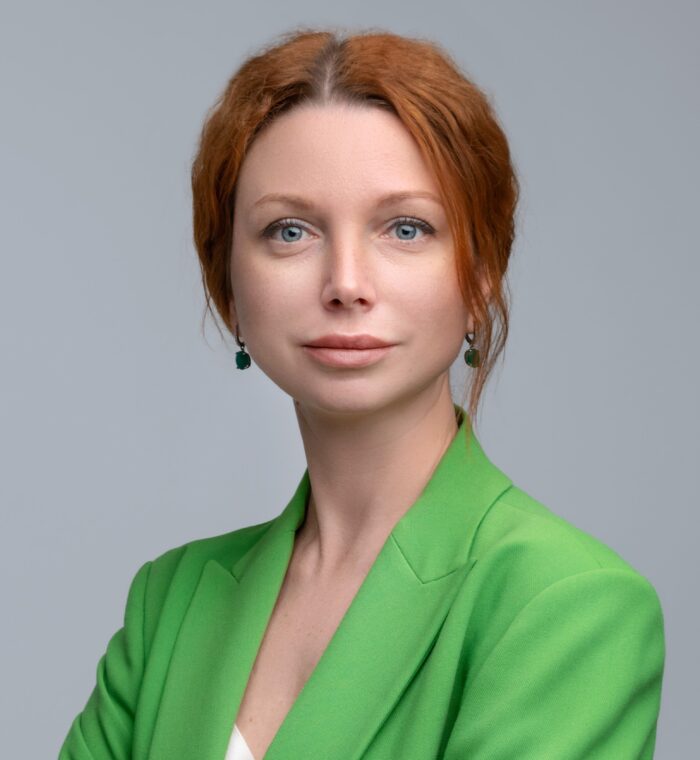
Nataliia Kutselepa is a marketing strategist with over 15 years of experience in international companies.